


heading
₹ 37.9412
 ₹ 0.0061 (0.02%)
per unit as on 20/10/2026
**Total Expense ratio includes applicable GST on Base Expense ratio. For Total Expense ratio inclusive of transaction cost please click on link. https://www.quantumamc.com/regulatory-document
About The Fund
The Quantum Liquid Fund (QLF) was the second fund launched by Quantum (in the year 2006) and is ideal for investors who want a savings bank account type of investment. The primary objective of the Liquid Fund is thus to ensure that your investments are made prudently in safe and liquid instruments to earn slightly higher returns than interest on a bank savings account. The fund prioritizes Safety and Liquidity over Returns and invests pre-dominantly in Government Securities, Treasury Bills and Money Market instruments issued by Public Sector Undertakings. Investors can also use QLF as a fund to make regular investments into the Quantum Value Fund through the systematic transfer plan route.
5 Reasons to Invest in the Quantum Liquid Fund
1. Invests only in Government Securities, Treasury Bills and AAA/A1+ rated Public Sector Undertakings.

2. No Private Corporate Credit Risk.
3. Marked-to-market daily to ensure that the declared NAV is real.

4. High Portfolio liquidity and stable AUM trend.
5. Weekly Disclosure of Portfolios.
Portfolio
Fund Managed By
Funds Managed:
Qualification:
B.Com Degree, CA Inter, Pursuing CFA
-
Funds Managed:
Qualification:
B.Com Degree and Master of Business Administration in Finance


Product Label
|
Name of the Scheme and Benchmark |
This product is suitable for investors who are seeking* |
Risk‑o‑meter of Scheme |
Risk‑o‑meter of Tier‑I Benchmark |
|---|---|---|---|
|
Quantum Liquid Fund
Tier I Benchmark : CRISIL Liquid Debt A-I Index |
• Income over the short term |
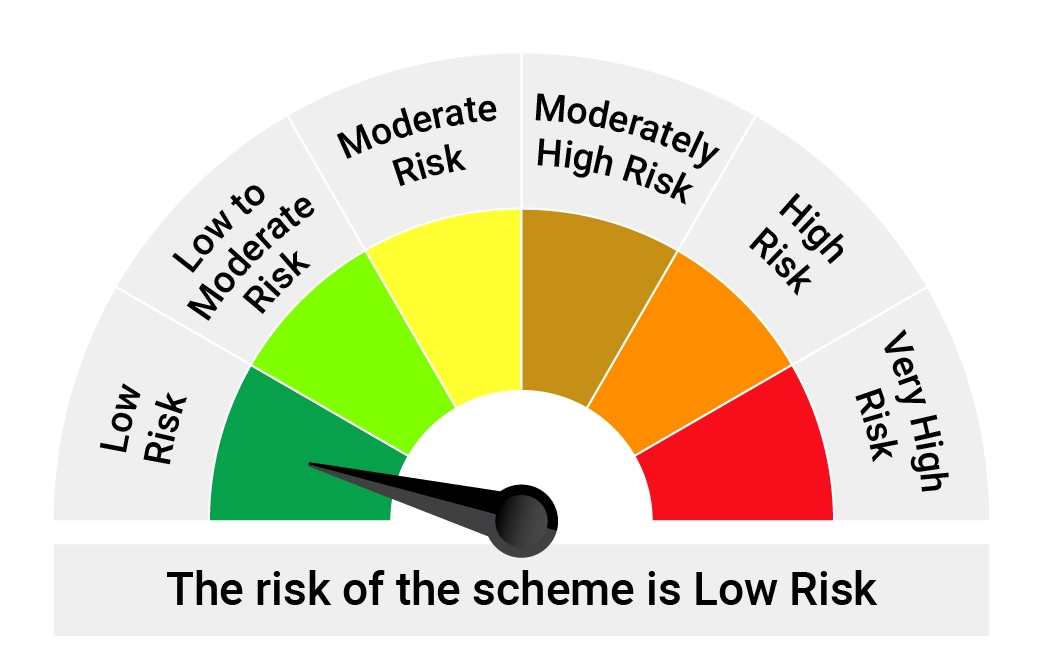
|
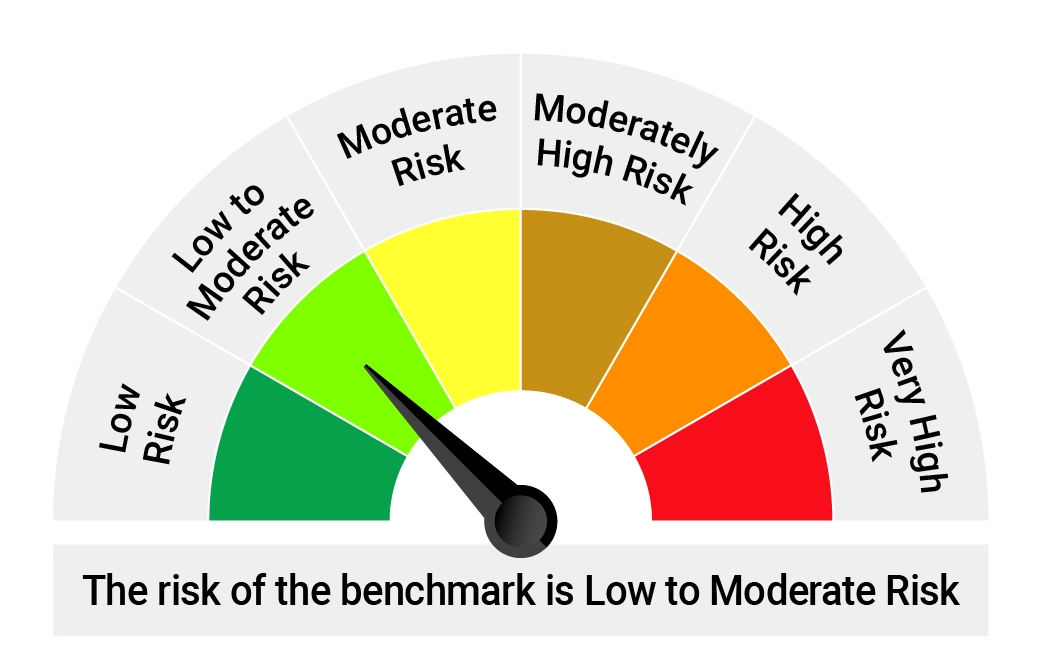
|
Potential Risk Class Matrix – Quantum Liquid Fund
|
Credit Risk → Interest Rate Risk ↓ |
Relatively Low |
Moderate |
Relatively High |
|---|---|---|---|
|
Relatively Low (Class I) |
A-I |
|
|
|
Moderate (Class II) |
|||
|
Relatively High (Class III) |
|