
2013: Taper Tantrum
As the US Fed hinted at tapering its stimulus, both Indian equities and bonds fell. Bond yields spiked (10Y G‑Sec jumped from 7.1% to 9%), making a dent on debt returns, while even the equity markets corrected sharply.
Posted On Tuesday, Aug 26, 2025

Most investors diversify between equity and debt — an approach that often works across cycles. Equity for growth, debt for stability.
But here’s the truth: true diversification goes beyond just these two.
It’s about spreading across asset classes, especially those that don’t always move in sync — like gold.
Let’s understand why when interest rates rise, equity and debt may fall together?
Debt Instruments (Bonds). Bond prices and interest rates generally have an inverse relationship. When interest rates rise, newly issued bonds offer higher yields, making existing bonds with lower yields less attractive, so their prices fall.
Higher interest rates increase borrowing costs for companies, reducing profitability. They also reduce consumer spending, which can hurt company revenues. Higher interest rates make bonds more attractive compared to stocks, causing some investors to shift their investments. In addition, the present value of future earnings declines when discount rates rise, which can lower stock valuations
Over the years, we’ve seen many instances where both equity and debt lost value at the same time — leaving portfolios neutral.
This section describes two market disruption events. In 2013, during the Taper Tantrum, the US Federal Reserve signaled a reduction in stimulus, which caused Indian equities and bonds to fall while bond yields rose from about 7.1 percent to 9 percent. In March 2020, during the COVID-19 crisis, global equities fell sharply and Indian debt markets also faced stress due to panic-driven redemptions, liquidity pressure, and credit risk concerns, leading to losses in some debt funds, especially credit risk and medium duration funds.
As the US Fed hinted at tapering its stimulus, both Indian equities and bonds fell. Bond yields spiked (10Y G‑Sec jumped from 7.1% to 9%), making a dent on debt returns, while even the equity markets corrected sharply.
Equities crashed worldwide. But Indian debt markets weren’t immune either. Panic‑driven redemptions, liquidity stress, and credit risk fears caused certain debt categories—especially credit risk and medium duration funds—to see significant mark‑to‑market losses.
So, when both slip at once—what’s your safety net?
That’s where low-correlation assets come in. Especially during crisis, they offer a different rhythm—a true counterbalance when other asset classes sync up in a fall.
Gold acts as a counterbalance in financial markets. Unlike equities or debt, gold often moves in the opposite direction. This tends to happen during inflationary spikes, periods of global market volatility, and times of geopolitical uncertainty.
Gold doesn’t follow the pattern of equity or debt. In fact, most of the time it moves in the opposite direction — especially during:
It’s not about returns. It’s about resilience.
Gold serves as a counterweight — a safeguard when other asset classes are falling.
But then there are the hassles of lockers, purity checks, and finding the right time to sell?
That’s old-school.
Here’s a smarter way to own gold — without ever touching a gold bar.
Quantum Gold Savings Fund is a modern, convenient solution that brings the power of gold into your portfolio with just a few clicks - No storage stress. No quality doubts.
Gain exposure to physical gold without the hassles of storage or purity concerns.
The fund invests in Quantum Gold Fund (ETF), which is backed by 99.5% pure physical gold.
Regular physical verification of gold stored in secure vaults.
Start small via SIPs or lump sum, with no need to buy an entire gram of gold.
Informational graphic from Quantum AMC explaining options for investing in gold. The visual highlights investment methods such as gold exchange-traded funds (ETFs), gold mutual funds, or other financial instruments that track the price of gold. It is part of an educational article discussing portfolio diversification through precious metals exposure and modern alternatives to buying physical gold.
Adding Gold helps create a portfolio that doesn’t just chase return — but builds resilience. Because when equity and debt fall in tandem, it’s not just returns that take a hit — it’s conviction.
Quantum’s 12|20:80** (Barah-Bees-Assi) Asset Allocation Approach builds on this time-tested relationship between asset classes and suggests a 20% allocation to gold to balance out the 80% equity component in a portfolio. Whether you choose Active or Passive Investing – Gold should be a vital component.
Aim to achieve balance in your investments with Quantum’s 12|20:80** (Barah-Bees-Assi) Asset Allocation Approach
Catch Sonal Bhutra and Vinnil Motiwala in conversation with Seemant Shukla,
CEO, Quantum AMC.
Promotional graphic from Quantum AMC for a panel discussion about evaluating ETF options for precious metals exposure. The image shows names of speakers Sonal Bhutra, Vinnii Motiwala, and Seemant Shukla, CEO of Quantum AMC, and references the Mutual Fund Tracker program on CNBC-TV18. It highlights the focus on understanding investment choices in gold and other precious metal ETFs.
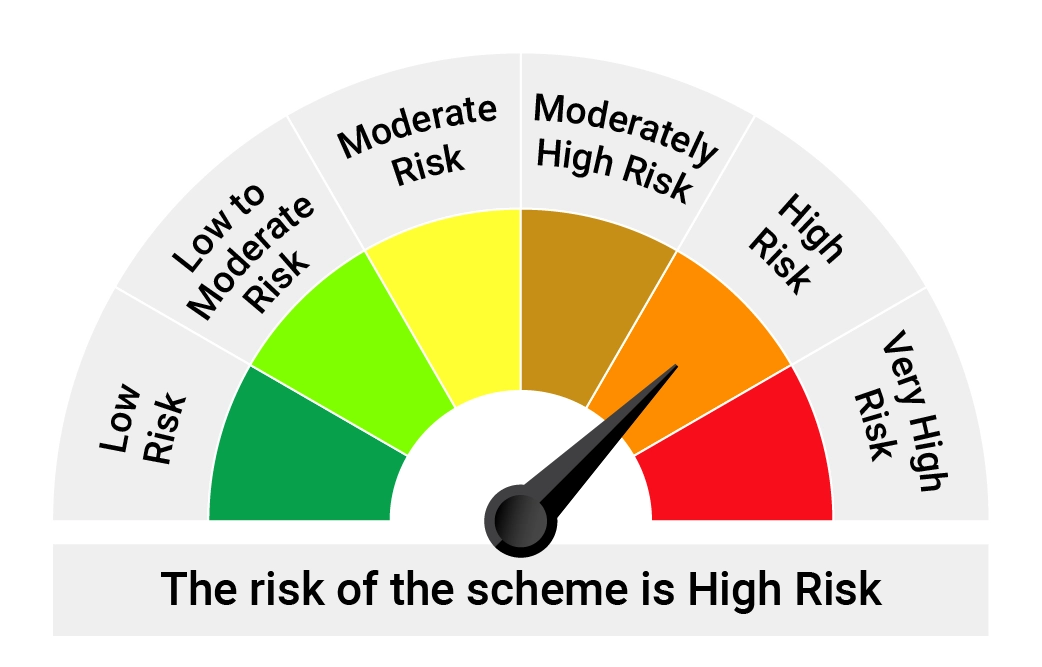
| Name of the Scheme | This product is suitable for investors who are seeking* | Riskometer of scheme |
|---|---|---|
Quantum Gold Fund An Open Ended Scheme Replicating / Tracking Gold |
|  |
*Investors should consult their financial advisers if in doubt about whether the product is suitable for them.
Investors may please note that they will be bearing the recurring expenses of this Scheme in addition to the expenses of the underlying Schemes.
The views expressed here in this article / video are for general information and reading purpose only and do not constitute any guidelines and recommendations on any course of action to be followed by the reader. Quantum AMC / Quantum Mutual Fund is not guaranteeing / offering / communicating any indicative yield on investments made in the scheme(s). The views are not meant to serve as a professional guide / investment advice / intended to be an offer or solicitation for the purchase or sale of any financial product or instrument or mutual fund units for the reader. The article has been prepared on the basis of publicly available information, internally developed data and other sources believed to be reliable. Whilst no action has been solicited based upon the information provided herein, due care has been taken to ensure that the facts are accurate and views given are fair and reasonable as on date. Readers of this article should rely on information/data arising out of their own investigations and advised to seek independent professional advice and arrive at an informed decision before making any investments.


Posted On Monday, Oct 05, 2026
Gold surged more than 13% in August alone to close at $4,447.90, one of its strongest months on record
Read More
Posted On Thursday, Sep 03, 2026
Gold opened August near US$4,000/oz and is trading near US$4,650/oz, a gain of roughly 14% for the month and about 38% above YoY levels1.
Read More
Posted On Monday, Aug 03, 2026
After falling sharply in June, July has brought in some stabilisation for gold. The metal recovered toward
Read MoreScheme Name |
Since Inception Returns |
|---|---|
Investment Type |
Amount |
|---|---|