
Small Isn’t a Size—It’s an Advantage
Posted On Tuesday, Aug 26, 2025

When market sentiment turns positive and liquidity flows in, small caps are often the first to take off. Why? Because they’re lean, agile, and often overlooked — giving them the ability to respond swiftly to economic tailwinds and having the potential to generate better returns.
With their smaller size and lower base, even modest improvements in earnings can trigger outsized gains. In bullish phases, this gives them the potential to outpace large-cap peers and deliver better risk adjusted returns.
But tapping into this potential isn’t about chasing trends — it’s about understanding the dynamics and choosing wisely keeping in mind that these come with their own set of challenges like clear book, balance sheet strength, corporate governance, etc., as they are less researched.
Understanding Equity Classification
Based on market capitalization, equities are broadly classified into Large Cap, Mid Cap, and Small Cap.
- Top 100 companies – Large Caps:
Industry giants that are stable and often well covered by equity research companies. - Next 150 companies – Mid Caps:
Growth drivers—established enough for stability, yet nimble enough to capture emerging opportunities. - Beyond 250 companies – Small Caps:
Riskier but with higher upside potential when chosen carefully.
Market Cap > ₹100,000 Crores
No. of Stocks: 100
Market Cap > ₹33,000 Crores ≤ ₹100,000 Crores
No. of Stocks: 150
Market Cap > ₹2,000 Crores ≤ ₹33,000 Crores
No. of Stocks: Over 4,000
Small vs Large Cap Mutual Funds: The Investment Edge
SEBI regulations offer insight into how these funds can allocate their investments.
- Large Cap Fund: Must invest at least 80% of its total assets in the top 100 companies by market capitalization. The investment universe is restricted, as it is limited to these 100 companies.
- Small Cap Fund: Must invest at least 65% of its total assets in companies ranked 251 and beyond by market capitalization (over 4,000 companies), offering significantly more scope to explore emerging opportunities.
Large Cap Fund Allocation
80% invested in top 100 companies
20% allocated to other investments
Small Cap Fund Allocation
65% invested in small cap companies
35% allocated to other investments
The Nifty SmallCap 250 Index includes 250 companies, while the actual small cap universe in India spans over 4,000 listed companies. That means the Index covers a small slice of a vast and diverse pool. This flexibility gives small cap fund managers a wider canvas to work with—especially valuable in dynamic markets.
Large cap portfolios generally mirror their Index, with limited room for deviation. Small caps, however, remain a fertile ground for discovery — if approached with discipline, patience, and deep research.
This is where active management becomes crucial, and Fund Manager skill becomes key.
Why Small Caps Thrive on Active Management
With so many companies operating under the radar, an experienced fund manager can add value through active management by:
- Look beyond the index
- Apply rigorous research and bottom‑up stock picking
- Identify promising businesses before the broader market notices them
- Build agile portfolios that adapt quickly to market shifts
- Focus on high‑quality, scalable businesses with strong fundamentals
Bottom Line
In an upward market cycle, small caps can amplify growth—but only if approached sensibly. That’s where the Quantum Small Cap Fund stands out, with a disciplined focus on:
Emphasising fewer, high‑quality businesses rather than broad exposure.
Investing with price awareness to manage risk and improve outcomes.
Selecting stocks that meet defined liquidity criteria for flexibility.
Staying invested with patience and confidence through market cycles.
The Fund is designed to capture the best of what small caps have to offer — while staying grounded in fundamentals.
Ready to explore what lies beyond the Index?
Mr. Chirag Mehta is managing the scheme since November 03, 2023.
Ms. Abhilasha Satale is managing the scheme since November 03, 2023.
| Quantum Small Cap Fund - Direct Plan - Growth Option | Current Value ₹10,000 Invested at the beginning of a given period | |||||
|---|---|---|---|---|---|---|
| Period | Scheme Returns (%) | Tier I - Benchmark# Returns (%) | Additional Benchmark Returns (%)## | Scheme Returns (₹) | Tier I - Benchmark# Returns (₹) | Additional Benchmark Returns (₹)## |
| Since Inception (November 03, 2023) | 15.99% | 20.92% | 15.64% | 12,950 | 13,924 | 12,881 |
| 1 year | 5.03% | -4.54% | 0.54% | 10,503 | 9,546 | 10,054 |
#BSE 250 SmallCap TRI; ## BSE Sensex TRI. Past performance may or may not be sustained in the future. Load is not taken into consideration in scheme returns calculation. Different Plans shall have a different expense structure. Returns are net of total expenses and are calculated on the basis of Compounded Annualized Growth Rate (CAGR). Performance details of other funds managed by Mr. Chirag Mehta & Mrs. Abhilasha Satale. Click here
Product Labeling
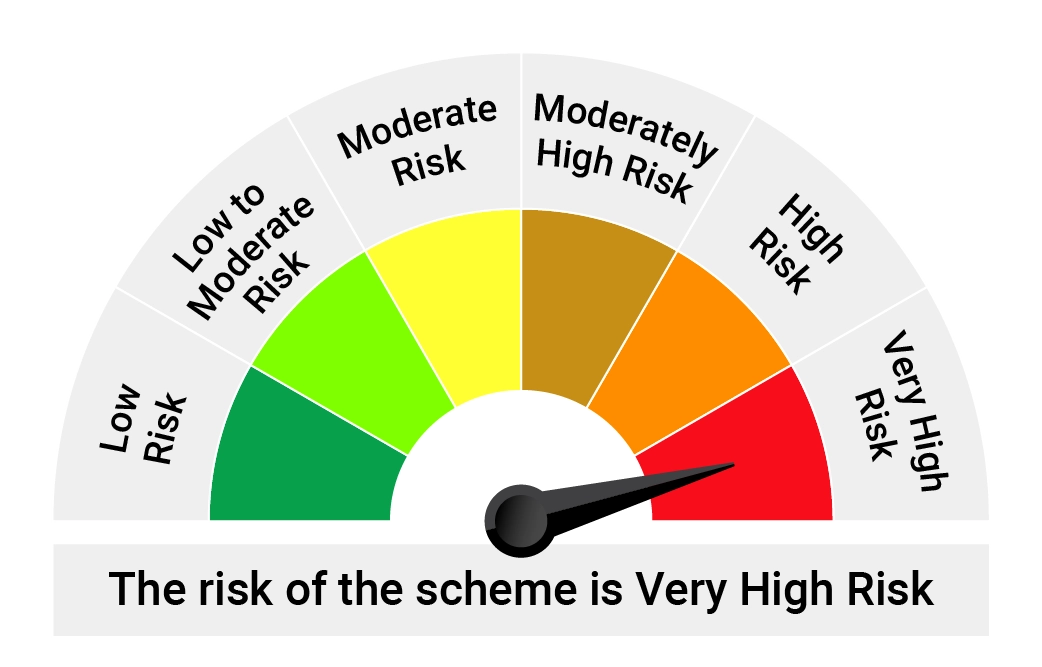
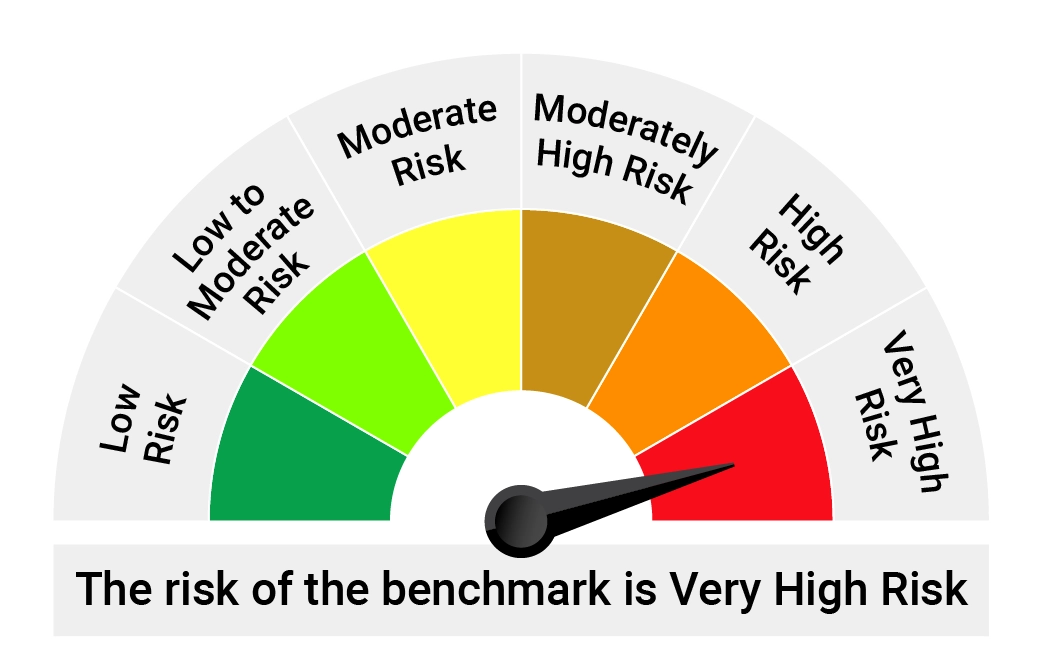
| Name of the Scheme | This product is suitable for investors who are seeking* | Riskometer of scheme | Risk-o-meter of Tier-I Benchmark |
|---|---|---|---|
Quantum Small Cap Fund An Open Ended-Equity Scheme Predominantly Investing in Small Cap Stocks Tier I Benchmark: BSE 250 SmallCap TRI |
|  |  |
*Investors should consult their financial advisers if in doubt about whether the product is suitable for them.
Disclaimer, Statutory Details & Risk Factors:
The views expressed here in this article / video are for general information and reading purpose only and do not constitute any guidelines and recommendations on any course of action to be followed by the reader. Quantum AMC / Quantum Mutual Fund is not guaranteeing / offering / communicating any indicative yield on investments made in the scheme(s). The views are not meant to serve as a professional guide / investment advice / intended to be an offer or solicitation for the purchase or sale of any financial product or instrument or mutual fund units for the reader. The article has been prepared on the basis of publicly available information, internally developed data and other sources believed to be reliable. Whilst no action has been solicited based upon the information provided herein, due care has been taken to ensure that the facts are accurate and views given are fair and reasonable as on date. Readers of this article should rely on information/data arising out of their own investigations and advised to seek independent professional advice and arrive at an informed decision before making any investments.
Mutual fund investments are subject to market risks read all scheme related documents carefully.

View All
Related Posts
-

Equity Outlook - October 2026
Posted On Thursday, Oct 01, 2026
Indian equities declined in the month of September, as the renewed escalation in West Asia pushed crude back above USD 100 and offset the positive sentiment built over the previous two months.
Read More -

Equity Outlook - September 2026
Posted On Thursday, Sep 03, 2026
Indian equities were flat in the month of August, as the West Asia crisis flair up negated the positive sentiment of strong quarterly earnings.
Read More -

Equity Outlook - August 2026
Posted On Monday, Aug 03, 2026
Indian equities were flat in the month of July, as the West Asia crisis re-escalated. Flair up in the West Asia conflict resulted in crude
Read More